
Retaining wall repair, replacement and installation in Worcester, MARequest an estimate
Replace deteriorated wood

Timber Retaining Wall Replacement in Worcester, MA

Older pressure-treated timber and railroad-tie walls eventually soften, split, pull away from anchors and lose their ability to retain soil. Surface staining does not show the full condition because decay is often greatest at the soil line and on the buried face.

Start with photos and details

We will use the information to determine the right next conversation.

Submitting this form does not create a construction contract. For an actively collapsing wall or immediate danger, keep people away and contact the appropriate emergency or municipal authority.

What to look for

When timber retaining wall replacement may be needed

Older pressure-treated timber and railroad-tie walls eventually soften, split, pull away from anchors and lose their ability to retain soil. Surface staining does not show the full condition because decay is often greatest at the soil line and on the buried face.

  • Rotting timbers or railroad ties
  • Spikes and anchors pulling free
  • Wall sections rolling or sliding forward
  • Soil escaping between opened courses
  • Fungal decay, insect damage or soft wood
  • Repeated temporary bracing and patch repairs

When this approach fits

Replacement is generally more reliable than structural repair when decay is widespread. New timber may still fit small landscape applications, but many owners choose stone, block or boulder systems for longer-term durability.

“Do not price only the visible face. Ask what will happen to the base, water and soil behind the wall.”Better scope question

How the work is commonly approached

The old timbers are removed in a sequence that controls retained soil. The new plan addresses base, drainage, wall thickness, reinforcement and site access rather than simply recreating the original wood layout.
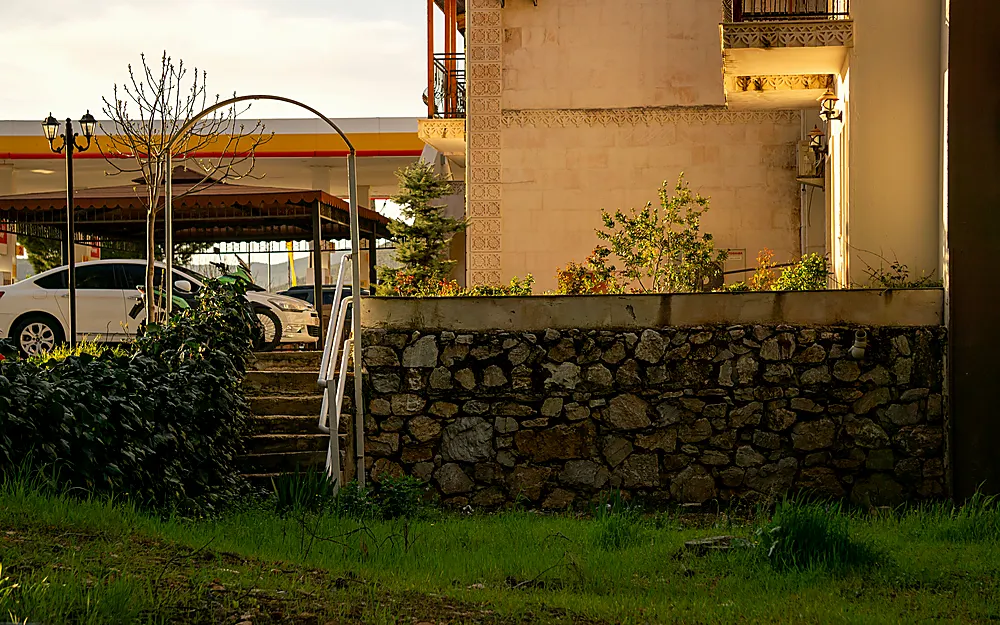
Timber Retaining Wall Replacement example for Worcester Massachusetts property

What changes the scope and estimate

Retaining wall estimates are site-specific because much of the work is below grade or behind the visible wall. Useful quotes should state what is being removed, how the base will be built, how drainage will function and what restoration is included.

  • Extent of decay and safe demolition sequence
  • Disposal of treated wood
  • Replacement material and wall geometry
  • Condition of buried anchors and drainage
  • Access around decks, fences or plantings
  • Need for stairs, guardrails or restored grade

Questions to ask before work begins

  • What caused the original movement or deterioration?
  • How will the base be prepared and compacted?
  • What material will be placed behind the wall?
  • Where will collected water discharge?
  • Are engineering, permits, utility marking or inspections required?
  • What is excluded from the quote, including landscaping, pavement, railings and hidden conditions?
Before excavation: Massachusetts defines excavation broadly and directs excavators to premark the area and contact Dig Safe at 811 before work. Read the state Dig Safe guide.

Timber Retaining Wall Replacement FAQs

Can rotten timbers be individually replaced?

A single damaged timber can sometimes be replaced, but widespread decay, movement or failed anchors usually means sectional or full replacement is more dependable.

Can old railroad ties be disposed of normally?

Treated wood may have special disposal requirements. The contractor should plan lawful handling and disposal based on the material.

Should I replace wood with block or stone?

Often, but the best choice depends on height, access, appearance and budget. A durable replacement also requires a new base and drainage plan.

How long do timber walls last?

Service life varies widely with treatment, drainage, soil contact and construction quality. Visible decay and movement matter more than age alone.

Related retaining wall information

Rot, movement and material upgrades

Replacing failed timber retaining walls in Worcester

Timber retaining wall replacement in Worcester is commonly triggered by rot at ground contact, failed fasteners, leaning posts, separated courses or railroad ties rolling outward. The visible face may still look intact while buried portions have lost strength. Probing, movement at corners and soil gaps behind the wall can reveal deterioration that paint or surface treatment cannot correct.

Replacement provides an opportunity to move from aging timber to segmental block, natural stone, boulders, concrete or another designed system. A new timber wall may still be appropriate for some lower applications, but material treatment, drainage, connections and expected service life should be discussed openly. The lowest initial cost is not always the lowest long-term cost.

The Worcester retaining wall replacement quote should cover removal and disposal of treated wood, buried anchors or deadmen, excavation, new base, drainage, the selected replacement system and landscape restoration. Treated timber disposal requirements and limited access can affect pricing.

  • Check posts, wall ends and bottom courses for hidden decay
  • Do not rely on surface staining or paint to judge buried timber condition
  • Compare replacement materials by footprint, appearance and expected maintenance
  • Identify old anchors, spikes and buried wood during demolition
  • Correct drainage before the new system is installed

Block replacement

Creates a consistent manufactured wall with available reinforcement details.

Stone or boulder replacement

Provides a natural appearance and avoids future timber decay.

New timber system

May suit lower walls when designed with appropriate treated material and connections.

Project request

Request a timber retaining wall replacement estimate

Up to 4 files, 6 MB each. Wide shots and close-ups are helpful.

Submitting this form does not create a construction contract. For an actively collapsing wall or immediate danger, keep people away and contact the appropriate emergency or municipal authority.

Include these details

  • Approximate length and highest point
  • What is above and below the wall
  • Visible water, leaning, cracks or washout
  • Access for equipment and material delivery
  • Any plans, permits or previous repair history
Free Estimate