
Retaining wall repair, replacement and installation in Worcester, MARequest an estimate
Control water pressure

Retaining Wall Drainage Solutions in Worcester, MA

Many retaining-wall failures begin with water. Saturated soil becomes heavier, flowing water carries fine material away, and trapped water can create pressure the wall was never intended to hold. In a New England climate, water movement and freezing conditions make drainage planning especially important.

Start with photos and details

We will use the information to determine the right next conversation.

Submitting this form does not create a construction contract. For an actively collapsing wall or immediate danger, keep people away and contact the appropriate emergency or municipal authority.

What to look for

When retaining wall drainage may be needed

Many retaining-wall failures begin with water. Saturated soil becomes heavier, flowing water carries fine material away, and trapped water can create pressure the wall was never intended to hold. In a New England climate, water movement and freezing conditions make drainage planning especially important.

  • Water staining or flowing through wall joints
  • Standing water behind or above the wall
  • Soil washing out at wall ends or through openings
  • Repeated icy areas, settlement or frost movement
  • Downspouts or slopes directing runoff toward the wall
  • Clogged, crushed or missing drain outlets

When this approach fits

Drainage correction can protect a stable wall or be incorporated into repair and replacement. It is not a substitute for rebuilding a wall whose base or structure has already failed, but it may be a critical part of the solution.

“Do not price only the visible face. Ask what will happen to the base, water and soil behind the wall.”Better scope question

How the work is commonly approached

Depending on the site, work can involve intercepting surface runoff, redirecting downspouts, excavating behind the wall, installing free-draining aggregate and filter separation, replacing perforated pipe, creating safe outlets and restoring positive grades.
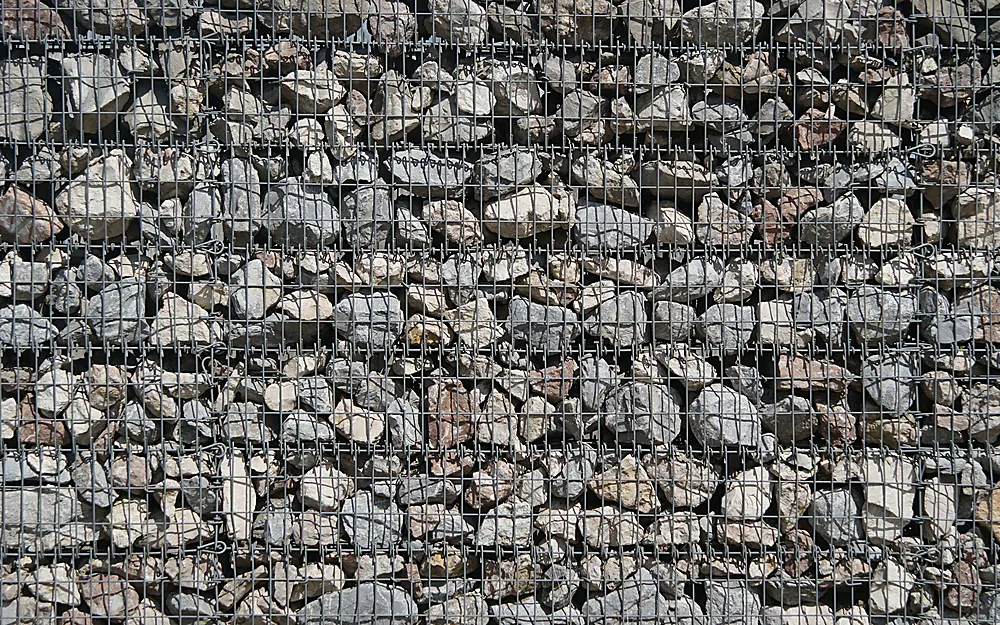
Retaining Wall Drainage example for Worcester Massachusetts property

What changes the scope and estimate

Retaining wall estimates are site-specific because much of the work is below grade or behind the visible wall. Useful quotes should state what is being removed, how the base will be built, how drainage will function and what restoration is included.

  • Source and volume of water
  • Available gravity outlet or discharge location
  • Soil conditions and wall height
  • Access behind the wall
  • Relationship to neighboring properties and public ways
  • Condition of existing drain pipe and wall outlets

Questions to ask before work begins

  • What caused the original movement or deterioration?
  • How will the base be prepared and compacted?
  • What material will be placed behind the wall?
  • Where will collected water discharge?
  • Are engineering, permits, utility marking or inspections required?
  • What is excluded from the quote, including landscaping, pavement, railings and hidden conditions?
Before excavation: Massachusetts defines excavation broadly and directs excavators to premark the area and contact Dig Safe at 811 before work. Read the state Dig Safe guide.

Retaining Wall Drainage FAQs

Why is water coming through my retaining wall?

Some drainage through a wall can be expected, but concentrated flow, soil loss and persistent saturation suggest that runoff or subsurface water is not being managed well.

Can I add weep holes to an existing wall?

Sometimes, but holes alone do not create a complete drainage system. Water must be able to reach the outlets through appropriate material without carrying soil with it.

Where should the drain pipe discharge?

The outlet must be legal, stable and located where it will not create erosion, icing, neighbor impacts or foundation problems. The site determines the right approach.

Will drainage stop a wall from leaning?

It can reduce a major source of pressure, but an already displaced wall may still need reconstruction. Drainage and structural condition should be considered together.

Related retaining wall information

Control water before pressure builds

Retaining wall drainage solutions for Worcester properties

Retaining wall drainage in Worcester is not simply a perforated pipe placed somewhere behind the wall. Water must be intercepted, moved through free-draining material, kept separate from fine soil and discharged to a location that will not create erosion, icing, basement moisture or a problem for a neighboring property. Surface grading and downspouts may matter as much as the buried drain.

Clues of a drainage problem include water staining, soil washing through joints, wet areas that persist after rain, clogged outlets, sinkholes behind the wall and movement that becomes more visible after storms or snowmelt. A wall may also appear dry while water is trapped at the base, especially when outlets are buried or the backfill contains dense soil rather than drainage aggregate.

A Worcester retaining wall drainage scope should identify the source of water, drainage-zone dimensions, aggregate, filter or separation material, pipe type and slope, cleanouts if used, outlet location and final grading. Adding isolated weep holes to a wall without creating a path for water to reach them is not a complete drainage solution.

  • Trace roof runoff, pavement flow and uphill grades before excavation
  • Inspect existing outlets after rain when it is safe to do so
  • Separate drainage aggregate from native fine soil
  • Protect the pipe from crushing, clogging and flat or reverse pitch
  • Discharge water where it can be absorbed or conveyed without damage

Surface drainage

Swales, grading and downspout control reduce water entering the retained soil.

Back-wall drainage zone

Clean aggregate and filtration move water while limiting soil migration.

Outlet planning

Pipes and daylight outlets require a safe, maintainable destination.

Project request

Request a retaining wall drainage estimate

Up to 4 files, 6 MB each. Wide shots and close-ups are helpful.

Submitting this form does not create a construction contract. For an actively collapsing wall or immediate danger, keep people away and contact the appropriate emergency or municipal authority.

Include these details

  • Approximate length and highest point
  • What is above and below the wall
  • Visible water, leaning, cracks or washout
  • Access for equipment and material delivery
  • Any plans, permits or previous repair history
Free Estimate