
Retaining wall repair, replacement and installation in Worcester, MARequest an estimate
Manage difficult slopes

Hillside Stabilization and Retaining Walls in Worcester

A steep or eroding slope may need more than one tall wall. Terracing, drainage, vegetation, grading and multiple lower wall systems can work together to slow runoff, retain soil and create maintainable outdoor space.

Start with photos and details

We will use the information to determine the right next conversation.

Submitting this form does not create a construction contract. For an actively collapsing wall or immediate danger, keep people away and contact the appropriate emergency or municipal authority.

What to look for

When hillside stabilization may be needed

A steep or eroding slope may need more than one tall wall. Terracing, drainage, vegetation, grading and multiple lower wall systems can work together to slow runoff, retain soil and create maintainable outdoor space.

  • Soil moving downhill after storms
  • Exposed roots, gullies or recurring washout
  • Slopes threatening patios, driveways or foundations
  • Unstable fill placed without compaction
  • Need for safe access across a steep yard
  • Large elevation changes better handled in terraces

When this approach fits

Hillside work should begin with the source of movement and water. Some slopes can be improved with grading and erosion control, while others need structural walls, engineered soil reinforcement or professional geotechnical input.

“Do not price only the visible face. Ask what will happen to the base, water and soil behind the wall.”Better scope question

How the work is commonly approached

A stabilization plan may combine diversion of surface water, subsurface drainage, excavation of unsuitable fill, terraced retaining walls, reinforced slopes, stone armoring, erosion-control fabrics and carefully selected plantings.
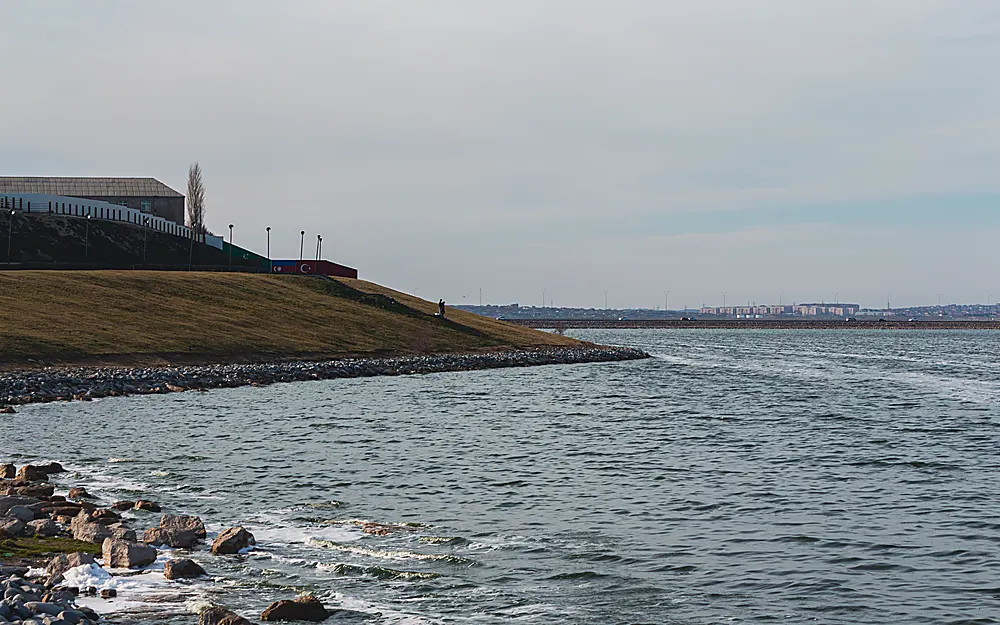
Hillside Stabilization example for Worcester Massachusetts property

What changes the scope and estimate

Retaining wall estimates are site-specific because much of the work is below grade or behind the visible wall. Useful quotes should state what is being removed, how the base will be built, how drainage will function and what restoration is included.

  • Slope height, angle and soil condition
  • Water sources and drainage path
  • Distance to buildings and property boundaries
  • Access for excavation and soil handling
  • Need for engineering or environmental review
  • Long-term maintenance and vegetation plan

Questions to ask before work begins

  • What caused the original movement or deterioration?
  • How will the base be prepared and compacted?
  • What material will be placed behind the wall?
  • Where will collected water discharge?
  • Are engineering, permits, utility marking or inspections required?
  • What is excluded from the quote, including landscaping, pavement, railings and hidden conditions?
Before excavation: Massachusetts defines excavation broadly and directs excavators to premark the area and contact Dig Safe at 811 before work. Read the state Dig Safe guide.

Hillside Stabilization FAQs

Can one retaining wall stabilize any hillside?

No. Very high or active slopes may require terracing, reinforced soil, drainage and engineering rather than one wall at the bottom.

What causes hillside erosion?

Concentrated runoff, sparse vegetation, steep grades, loose fill and poorly directed drainage are common contributors.

Can plants stabilize the slope without a wall?

Vegetation can help with surface erosion, but it does not replace structural support where soil movement or grade differences are significant.

Is hillside work likely to need a permit?

It can. Wall height, grading volume, wetlands, drainage changes and proximity to property lines or structures can affect review requirements.

Related retaining wall information

Manage soil, water and slope movement

Hillside stabilization and retaining solutions in Worcester

Hillside stabilization in Worcester may involve more than constructing one wall. Surface runoff, groundwater, erosion, steepness, vegetation, soil type and loads at the top and bottom of the slope all influence the solution. A retaining wall can be one component, but drainage, grading, terracing, erosion-control products or engineered reinforcement may also be required.

Warning signs include exposed roots, rills and gullies, soil collecting at the toe, tilted fences or trees, cracks in the ground, settlement near a crest and water emerging from the slope. These conditions should be documented over time and after storms. Rapid or unexplained movement near a building, road or occupied area warrants prompt professional evaluation.

A Worcester hillside project should define the area being stabilized, drainage paths, excavation limits, access, temporary erosion controls, final vegetation or surface protection and maintenance. For larger or higher-consequence slopes, geotechnical and structural input may be necessary before a contractor can provide a responsible construction price.

  • Map where water enters, crosses and exits the slope
  • Avoid concentrating runoff onto an unprotected hillside
  • Document cracks, settlement and changes after heavy rain
  • Consider terracing when one tall wall is not the best fit
  • Plan permanent vegetation and erosion protection after construction

Drainage and grading

Reduces water concentration and redirects runoff safely.

Terraces and walls

Breaks elevation into stable, usable or planted levels.

Engineered stabilization

Uses designed reinforcement, soil information and documented construction requirements.

Project request

Request a hillside stabilization estimate

Up to 4 files, 6 MB each. Wide shots and close-ups are helpful.

Submitting this form does not create a construction contract. For an actively collapsing wall or immediate danger, keep people away and contact the appropriate emergency or municipal authority.

Include these details

  • Approximate length and highest point
  • What is above and below the wall
  • Visible water, leaning, cracks or washout
  • Access for equipment and material delivery
  • Any plans, permits or previous repair history
Free Estimate